
वसंतराव नाईक मराठवाडा कृषि विद्यापीठ, परभणी - ४३१ ४०२
Vasantrao Naik Marathwada Krishi Vidyapeeth, Parbhani - 431 402
AISHE CODE : U-0316

AISHE CODE : U-0316
Established in 1972, on Land grant pattern, Marathwada Agricultural University (MAU) Parbhani is one of the four Agricultural universities in state of Maharashtra. Except some industrialization around Chhatrapati Sambhaji Nagar and Nanded, the entire region has rural setting.
VNMKV is one of four Agricultural Universities in the State of Maharashtra. Prior to original Maharashtra Agricultural University, it was established on May 18, 1972 to fulfil the regional aspirations of agrarian growth. It is entrusted with the responsibilities to provide education in agriculture and allied fields, undertake research and facilitate technology transfer in Marathwada region of Maharashtra. The first college of Agriculture was established in this region at Parbhani in 1956 by Hyderabad State Government just before State reorganization. During Nizam's rule, however, agricultural education was available only at Hyderabad but crop research centres viz., sorghum, cotton, fruits existed in the region. The foundation of research was laid by the erstwhile Nizam State with commencement of the Main Experimental Farm at Parbhani in 1918. The famous 'Gaorani' desi cotton is the result of the research on cotton and local sorghum cultivars were improved by selection by the then Economic Botanist. Since then Parbhani remain the hub of educational, research and extension activities in Marathwada.
Provide education in agriculture, allied sciences and humanities.
Provide research base to improve the productivity of important agri-horticulture, livestock, fisheries and agri-allied activities of Marathwada region.
To develop appropriate plans for conservation of natural resources and sustainable use.
To undertake and guide extension education programmes, first line transfer of technology, extend services of training, conduct demonstrations and develop appropriate communication network.
Standardize technologies for crop production, protection, harvesting, marketing, post-harvest utilization as also for livestock, fisheries and allied agro-communities for improving the living status of farmers, farm workers and Women of Marathwada.
Provide the necessary production support of nucleus, breeders and foundation seed of important crops of the region and also generate revenue through large farms for sustainable growth of the University.
The MAU region falls in Deccan Plateau Zone. It is basically an intense agrarian region with geographical area of 6.5 M ha occupying 21 per cent of total area of the State. The University HQ is located on Manmad-Nanded Railway track. It is around 200 km from Chhatrapati Sambhaji Nagar city and well connected by Rail & Road. The nearest airport is Chhatrapati Sambhaji Nagar.
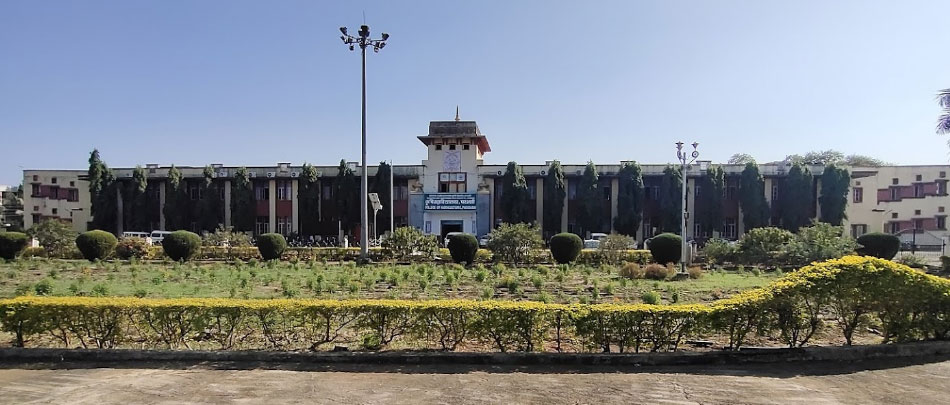
Marathwada Region – 8 districts
| Month | Min °C | Max °C | Rainfall (mm) | Min Humidity % | Max Humidity % | Wind (km/h) | BSH (hrs) |
|---|---|---|---|---|---|---|---|
| January | 12 | 30 | 6 | 31 | 8 | 4 | 10 |
| February | 14 | 33 | 4 | 25 | 58 | 4.8 | 10.2 |
| March | 18 | 36.5 | 15 | 20 | 45 | 5.5 | 10.3 |
| April | 22 | 40 | 7 | 20 | 41 | 7.25 | 10.4 |
| May | 24.5 | 41 | 18.5 | 22 | 48 | 10.25 | 10.4 |
| June | 23.6 | 36.5 | 156.5 | 44 | 75 | 12.5 | 7.3 |
| July | 22.5 | 32 | 222 | 22 | 32 | 11.6 | 5 |
| August | 22 | 31 | 235 | 62.5 | 86 | 10 | 5.1 |
| September | 21.5 | 32 | 180 | 55 | 85 | 7.1 | 6.9 |
| October | 18 | 32 | 75 | 39 | 76 | 4.5 | 8.9 |
| November | 14.5 | 30.5 | 15 | 34 | 74 | 4 | 9.6 |
| December | 11 | 29 | 12 | 32 | 75 | 3.5 | 9.7 |
Vertisols – Medium & Deep Black Soils
Soils of Marathwada region are classified as Vertisols. Nearly 32.5 m ha are medium black soils, 12.1 M ha deep black soils and 12.4 m ha course shallow soils. The fertility index with respect to nitrogen is low in Parbhani, Nanded while it is medium in Chhatrapati Sambhaji Nagar, Jalna, Beed Osmanabad and Latur district while fertility index with respect to P is low in almost all the districts except six tahsils of Jalna and Beed districts. It is very high for potash in almost all the districts of Marathwada. The average use of fertilizer is 50N and 39 P2O5/kg per hectare in Latur and Chhatrapati Sambhaji Nagar divisions. The deficiency of micronutrients viz. Zn and Fe is noticed in high intensity cropping. Soils under irrigation projects like Jayakwadi and Purna becoming sick due to water logging & salinisation.
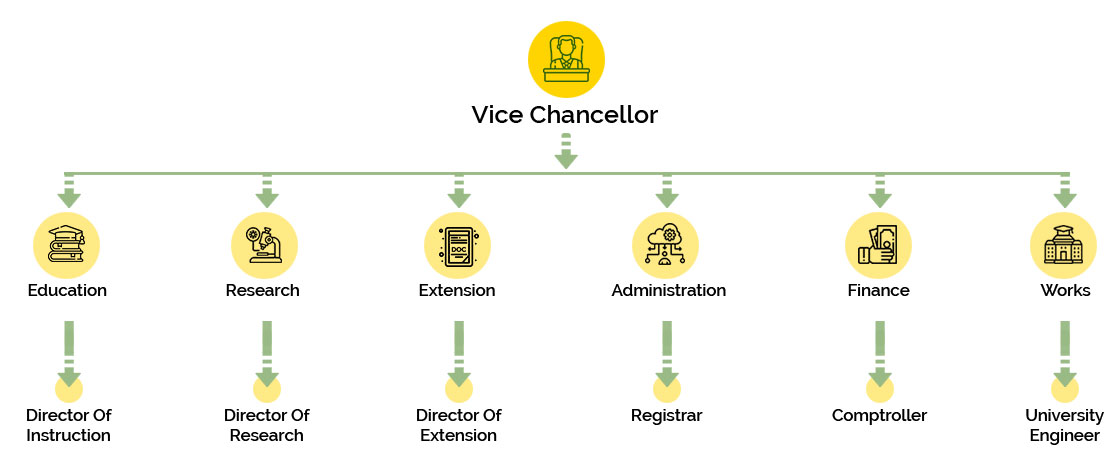
Our collaborations and valuable resources